

 support(at)kjnewswire.com
 +91-87545-38368
After a severe storm damaged my roof, I learned everything about repairs and insurance claims. Here's what Houston homeowners need to know.

Image source: https://waltonresidentialservices.com/wp-content/uploads/2025/09/hurrica...
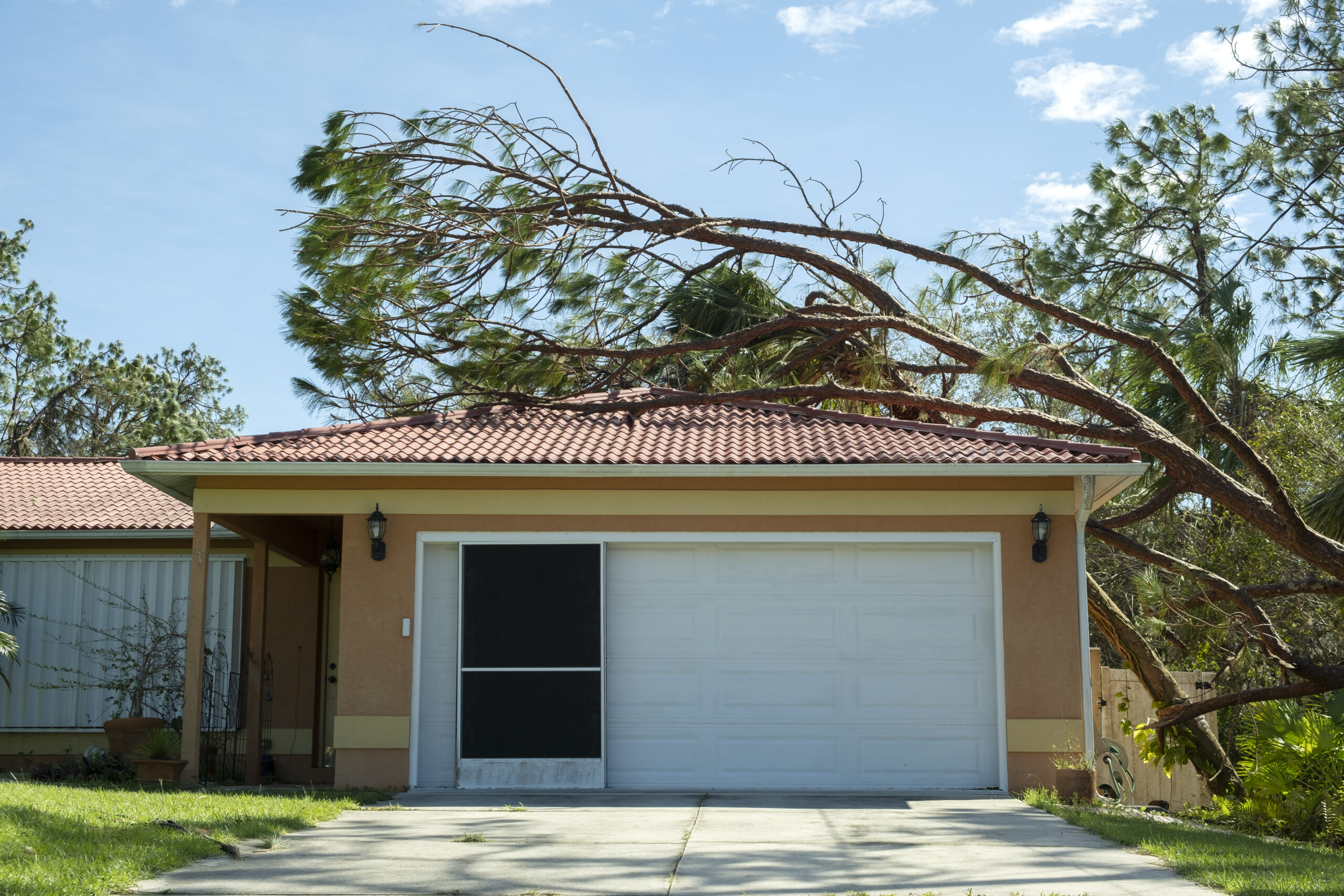
Everything I Learned About Storm Damage Roof Repair Houston Homeowners Face After Hurricanes
Getting quality storm damage roof repair Houston contractors provide became my top priority after Hurricane Beryl tore through our neighborhood last summer. I woke up to find shingles scattered across my yard and a growing water stain on my bedroom ceiling. Within 48 hours, I discovered that handling storm damage correctly makes the difference between a smooth insurance claim and a financial nightmare.
My experience taught me that the hours immediately after a storm are critical. You need to document everything, protect your home from additional damage, and avoid the scam artists who flood neighborhoods after severe weather. Additionally, understanding how insurance companies evaluate storm damage prevented them from underpaying my claim by thousands of dollars.
The Morning After the Storm Changed Everything
I stepped outside at dawn to survey the damage. Shingles from my roof covered the driveway and lawn. Moreover, my neighbor's tree branch had punctured a section near my chimney. The sight made my stomach drop.
Then, I noticed something even more concerning. Water was dripping from my attic vent, which meant moisture had already penetrated the interior. Furthermore, several other homes on my street showed similar damage, which told me this storm had hit our area particularly hard.
Within an hour, three different "contractors" knocked on my door offering immediate repairs. Their aggressive sales tactics and out-of-state license plates raised immediate red flags. Therefore, I sent them away and started researching the proper way to handle storm damage repairs.
How Houston Storms Typically Damage Roofs
Understanding common storm damage types helps you know what to look for after severe weather. Houston faces unique challenges from our combination of hurricanes, hail, and powerful thunderstorms. Consequently, knowing these patterns helps you assess damage accurately.
Most common storm damage in Houston:
- Wind damage: Shingles lifted, torn, or completely missing
- Hail impact: Bruising on shingles, cracked or dented surfaces
- Falling debris: Tree branches, limbs, or entire trees on roof
- Water infiltration: Leaks from damaged areas or blown-off sections
- Flashing damage: Wind tears away chimney or vent flashing
- Structural issues: Severe storms can crack or weaken roof decking
Additionally, some damage isn't visible from the ground. I learned this when my roof inspector found significant bruising from hail that I couldn't see from my yard. Moreover, wind can lift shingle edges without completely removing them, creating future leak points that appear fine initially.
Your First 24 Hours After Storm Damage Hits
Time matters critically after storms damage your roof. I followed a specific action plan that protected my home and strengthened my insurance claim. Therefore, these steps should happen as quickly as safely possible after the weather clears.
Immediate actions within first hours:
- Stay safe - never go on wet or damaged roofs
- Document everything with photos and videos
- Note the date, time, and storm details
- Check attic for water intrusion or damage
- Place buckets under any active leaks
- Move valuables away from damaged areas
- Contact your insurance company immediately
- Get temporary tarps if needed to prevent further damage
Furthermore, I created a damage log detailing every issue I found. This written record helped me remember details when talking to adjusters weeks later. Also, I took dozens of photos from multiple angles showing both close-ups and wider context shots.
Why You Need Professional Storm Damage Assessment
I initially thought I could identify all my damage myself. However, a professional inspection revealed problems I completely missed. Consequently, hiring a qualified inspector before filing my claim added $3,000 to my final settlement amount.
What professional inspectors find:
- Hidden hail damage on shingles
- Compromised roof decking underneath
- Damaged underlayment not visible externally
- Flashing that needs replacement
- Ventilation damage affecting attic
- Structural issues from debris impact
- Code compliance problems requiring updates
Moreover, professional documentation carries more weight with insurance companies than homeowner photos alone. Walton Residential Roofing provided a detailed inspection report with measurements, material lists, and damage descriptions that my adjuster used directly. Additionally, they identified wind damage on my north-facing slope that I hadn't even checked because I assumed wind came from the south.
Navigating Insurance Claims for Storm Damage In Houston
The insurance claim process confused me initially until I learned how companies evaluate storm damage. Understanding this system helped me get fair compensation instead of accepting their first lowball offer. Therefore, knowing these insider details protects you from getting shortchanged.
Insurance claim timeline:
- Day 1: Report claim immediately after storm
- Day 2-5: Adjuster schedules inspection
- Day 3-7: Get professional contractor assessment
- Week 2: Meet with adjuster and contractor together
- Week 2-3: Review initial settlement offer
- Week 3-4: Negotiate if offer seems low
- Week 4-6: Receive final settlement check
- Week 6+: Schedule repairs with approved funds
Additionally, insurance companies often send adjusters who underestimate damage severity. Having your contractor present during the adjuster's inspection ensures nothing gets missed or minimized. Also, contractors experienced with storm damage repair in Houston know exactly what documentation adjusters need to approve claims fully.
Common Insurance Tactics to Watch Out For
My insurance company tried several strategies to reduce my payout. Recognizing these tactics helped me push back effectively and get the full amount my repairs actually required. Therefore, staying alert prevents companies from taking advantage of your stress and confusion.
Insurance company strategies:
- Claiming damage was "pre-existing" before the storm
- Only covering depreciated value instead of replacement cost
- Minimizing the extent of damage found
- Rushing you to accept low initial offers
- Requiring you to use their "preferred" contractors
- Denying claims based on lack of documentation
- Attributing damage to "wear and tear" instead of storm
Furthermore, my adjuster initially offered $8,200 for repairs. However, three qualified contractors estimated costs between $14,000-$16,000. Consequently, I challenged the low offer with detailed contractor estimates and photos. After negotiation, my final settlement reached $15,400, which covered all necessary repairs properly.
Beware of Storm Chasers After Severe Weather
Storm chasers descended on my neighborhood within hours of the storm passing. These out-of-state contractors prey on desperate homeowners with aggressive sales tactics and cheap repairs. Moreover, they often disappear when problems arise, leaving you stuck with shoddy work and no recourse.
Red flags identifying storm chasers:
- Knocking on doors uninvited after storms
- Out-of-state license plates on vehicles
- Pressure to sign contracts immediately
- Offering to waive insurance deductibles (illegal)
- No local business address or permanent office
- Demanding large upfront deposits
- Willing to inflate insurance claims
- Can't provide local references or credentials
Instead, I researched established local companies with permanent Houston addresses and years of operation history. Walton Residential Roofing had served Houston for years before the storm and would remain available if warranty issues arose. Additionally, local companies understand Houston building codes and insurance company requirements better than traveling contractors.
Emergency Temporary Repairs vs Permanent Solutions
Understanding the difference between emergency protection and actual repairs prevented me from thinking tarps solved my problem permanently. Temporary measures buy time but require prompt follow-up with complete repairs. Therefore, don't delay permanent solutions once you receive insurance approval.
Emergency temporary protection includes:
- Heavy-duty tarps secured properly over damaged areas
- Plywood covering holes from fallen debris
- Emergency sealing of exposed areas
- Quick patching to stop active water entry
- Temporary flashing repairs around penetrations
These solutions protect your home from additional damage while you navigate insurance claims and contractor scheduling. However, they typically last only days to weeks depending on weather conditions. Consequently, plan for permanent repairs within 2-4 weeks of temporary protection installation.
Complete storm repairs involve:
- Full shingle replacement in damaged sections
- Roof decking repair or replacement where needed
- New flashing installation around all penetrations
- Proper underlayment replacement
- Ventilation repair or upgrades
- Code compliance updates if required
- Thorough sealing and waterproofing
Moreover, trying to make temporary fixes permanent always fails eventually. I've watched neighbors attempt to extend tarp life for months to save money. Inevitably, they end up spending more on water damage repairs than they would have spent on proper roofing initially.
Understanding Your Policy Coverage Limits
Reading my insurance policy carefully revealed coverage details I hadn't known existed. This knowledge helped me maximize my claim and understand which costs I'd pay out of pocket. Therefore, reviewing your specific policy before storms hit prepares you for the claims process.
Typical homeowner policy coverage:
- Dwelling coverage: Repairs to roof and structure
- Actual cash value vs replacement cost: Major difference in payout
- Deductible: Amount you pay before insurance covers remainder
- Depreciation: How age affects payout amounts
- Code upgrade coverage: Pays for bringing roof to current code
- Additional living expenses: If storm makes home unlivable
Additionally, my policy included a "matching" provision I didn't know about. When my roof required 40% shingle replacement, this provision required matching the entire roof even though only one section sustained damage. Consequently, my insurance covered replacing my entire roof instead of just the damaged area, which prevented obvious color mismatches.
Timeline Expectations for Storm Damage Repairs
Severe storms create huge demand for roofing services simultaneously across entire neighborhoods. Understanding realistic timelines prevented me from getting frustrated or making desperate decisions with questionable contractors. Therefore, patience during high-demand periods protects you from poor contractor choices.
Realistic repair timeline after major storms:
- Week 1-2: Emergency tarping and assessment
- Week 2-4: Insurance claim processing
- Week 4-6: Materials ordering and delivery
- Week 6-8: Actual repair work begins
- Week 8-10: Completion and final inspection
Furthermore, major hurricanes can extend these timelines by months due to overwhelming demand. After Hurricane Harvey, some homeowners waited 6-12 months for repairs because every roofer was completely booked. Consequently, getting on contractor schedules early becomes critical after widespread storm events.
Moreover, material shortages often occur after severe storms. My shingles took three weeks to arrive because manufacturers couldn't keep up with demand from multiple storm-affected regions. Therefore, expect delays and build flexibility into your plans rather than scheduling important events around projected completion dates.
Choosing Qualified Contractors for Storm Repairs
The storm created urgency that made me want to hire the first available contractor. However, taking time to vet options properly prevented the disaster of hiring scammers or incompetent workers. Consequently, following a systematic evaluation process pays off even when you feel desperate for help.
Essential contractor qualifications:
- Valid Texas contractor license (verify online)
- Active liability and workers comp insurance
- Permanent Houston business address
- Years of local operation history (not just formed after storm)
- Experience with insurance claims process
- Detailed written estimates and contracts
- Clear warranties on labor and materials
- Professional communication and documentation
Additionally, I verified everything contractors told me rather than accepting claims at face value. This diligence revealed that two contractors exaggerated their experience and one provided expired insurance certificates. Meanwhile, Walton Residential Roofing provided current documentation immediately and walked me through their entire process transparently.
Preventing Future Storm Damage to Your Roof
After spending weeks dealing with repairs and insurance, I became obsessed with preventing future storm damage. Simple maintenance and upgrades significantly reduce your roof's vulnerability to severe weather. Therefore, proactive measures save money and stress long-term.
Storm preparation strategies:
- Schedule annual professional inspections
- Replace worn or damaged shingles immediately
- Ensure proper attic ventilation
- Trim overhanging tree branches regularly
- Install impact-resistant shingles during replacement
- Upgrade to hurricane straps in attic if needed
- Seal flashing around all penetrations
- Keep gutters clean and properly attached
Moreover, I learned that impact-resistant shingles reduce hail damage significantly. These upgraded materials cost about 20% more than standard shingles but often qualify for insurance discounts. Additionally, many insurance companies reduce premiums by 10-15% for homes with impact-resistant roofing in Houston's hurricane zone.
Furthermore, proper roof maintenance catches small problems before storms turn them into major damage. I now inspect my roof after every significant weather event looking for lifted shingles or loose flashing. This vigilance allows me to make small repairs that prevent storm damage from becoming worse during the next severe weather.
Working With Contractors and Insurance Together
The most valuable lesson I learned was coordinating between my contractor and insurance adjuster. This three-way communication prevented misunderstandings and ensured everyone agreed on required repairs. Consequently, my project proceeded smoothly without disputes or delays.
Best practices for coordination:
- Schedule adjuster inspection and contractor assessment together
- Share all documentation between contractor and insurance
- Get everything in writing from both parties
- Clarify which repairs insurance will cover
- Understand your out-of-pocket costs upfront
- Document all agreements and conversations
- Keep copies of every estimate and settlement
Additionally, experienced contractors like Walton Residential Roofing handle much of this coordination themselves. They know exactly what documentation insurance companies require and how to present damage for maximum claim approval. Moreover, they communicate directly with adjusters to resolve disputes about coverage or repair scope.
Your Action Plan After the Next Storm
You now understand exactly how to handle storm damage from documentation through completed repairs. This knowledge transforms what seems like an overwhelming disaster into a manageable process with clear steps. Therefore, reviewing this information before storm season prepares you to act quickly when damage occurs.
Start by organizing your important documents now. Take photos of your current roof condition for baseline comparison. Additionally, save contact information for reputable contractors before you need emergency services. Also, review your insurance policy so you understand coverage limits and requirements.
Remember that storm damage roof repair in Houston requires local expertise and insurance knowledge. Contractors who understand our specific weather challenges and work regularly with local insurance adjusters will get you the best results. Therefore, prioritize established Houston companies with proven storm damage experience.
When severe weather damages your roof, contact Walton Residential Roofing immediately for professional assessment and repair services. They'll document damage thoroughly, work directly with your insurance company, and complete repairs with quality materials and craftsmanship. Your home deserves protection from contractors who understand Houston storm damage inside and out.